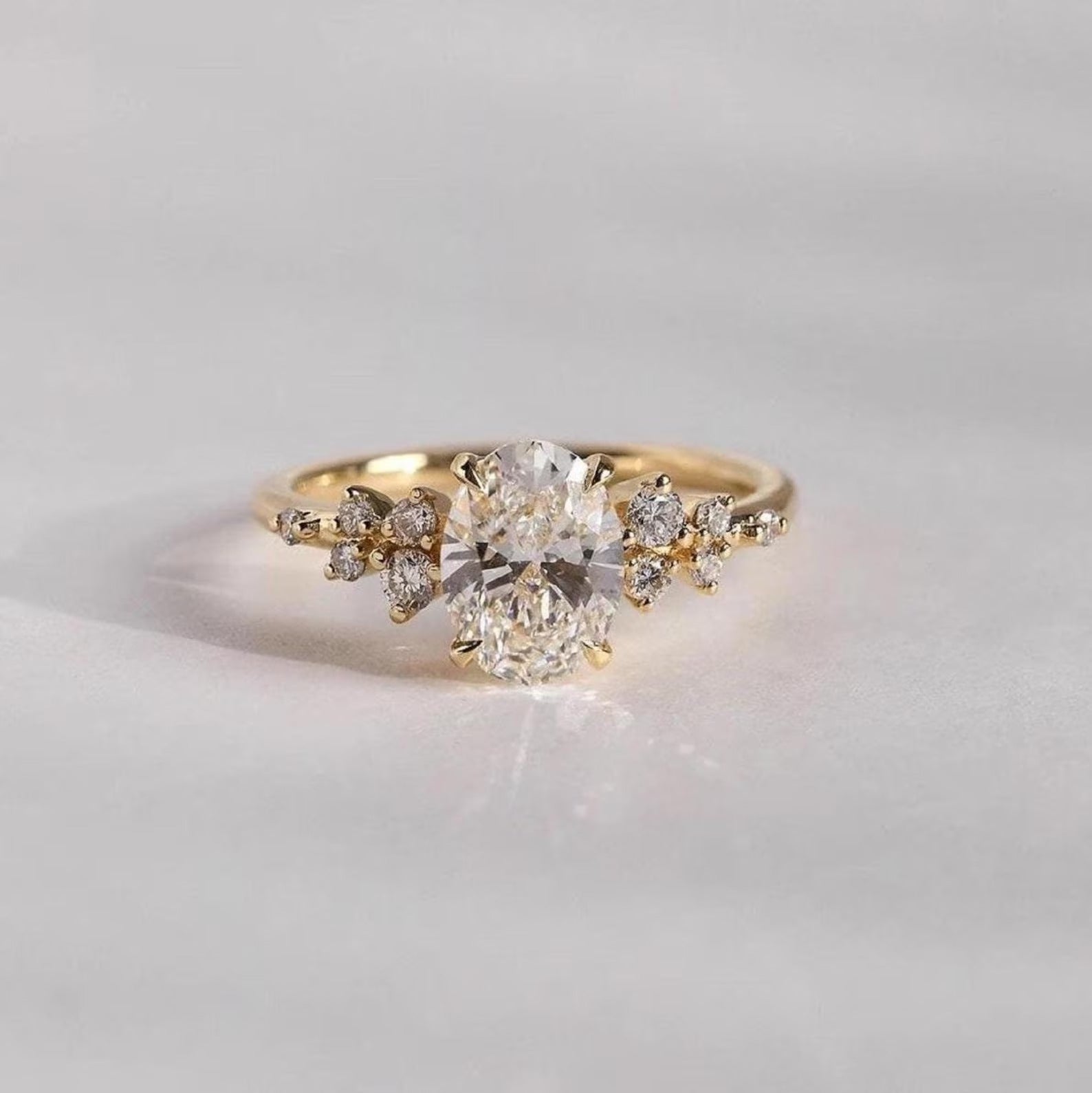
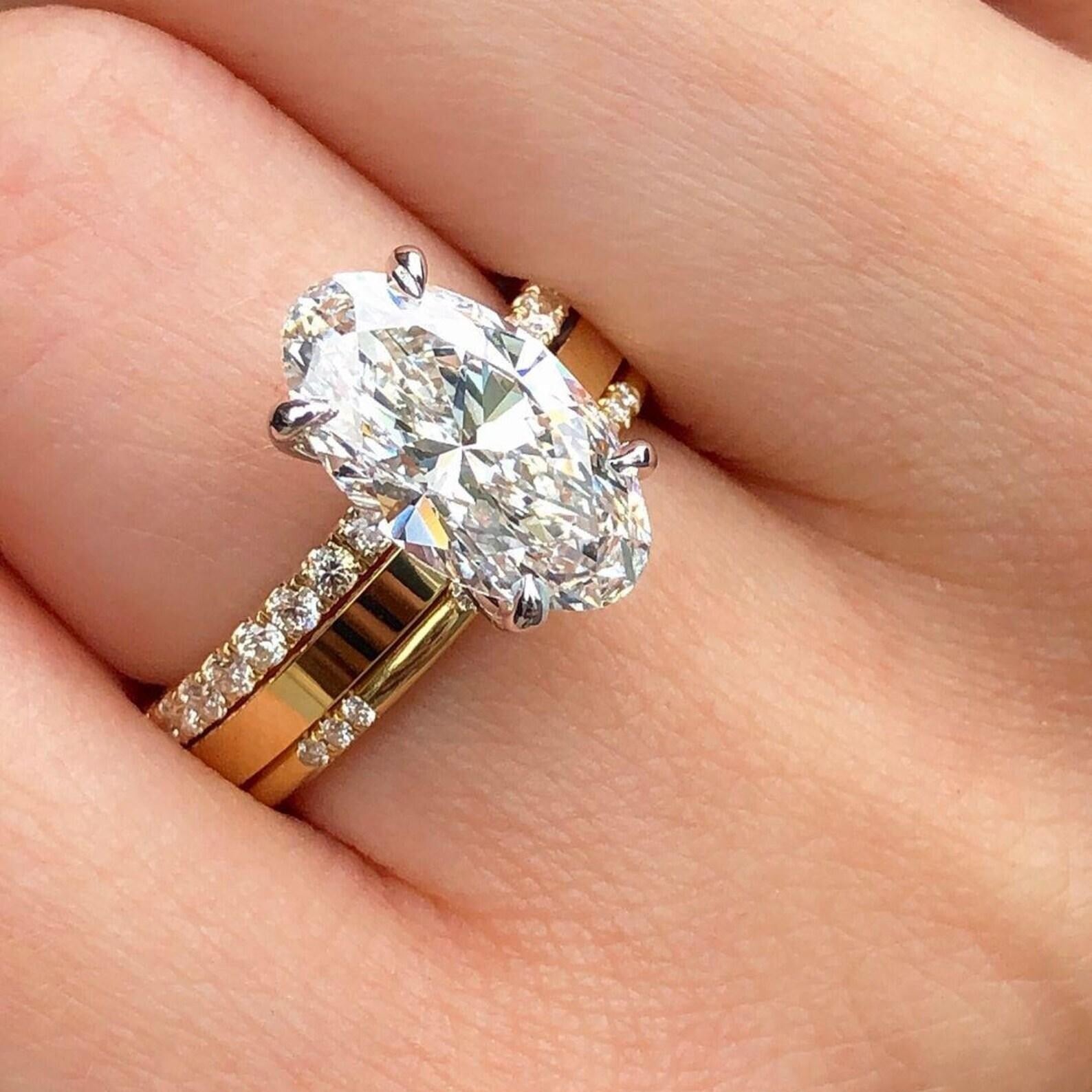


As lab grown diamonds continue to grow in popularity across the USA, Canada, and Europe, many jewelry buyers find themselves comparing them with moissanite. At first glance, both gemstones appear incredibly similar, making it difficult for an untrained eye to tell them apart.
However, professional jewelers use several methods to identify whether a stone is a genuine lab-grown diamond or moissanite. Understanding these differences can help you shop with confidence and avoid confusion when purchasing an engagement ring, wedding jewelry, or fine diamond accessories.
In this guide, we'll explain how jewelers identify these gemstones and what you should look for before making your purchase.
First, Understand the Basic Difference
The most important thing to know is that lab-grown diamonds are real diamonds.
They have the same chemical composition, crystal structure, hardness, and brilliance as natural mined diamonds. The only difference is that they are created in advanced laboratories rather than formed underground over millions of years.
Moissanite, on the other hand, is a completely different gemstone made from silicon carbide. Although it resembles a diamond, it has different optical and physical characteristics.
This distinction is the foundation of every identification method used by professional jewelers.
Observe the Sparkle Carefully
One of the easiest ways to notice a difference is by looking at how each stone reflects light.
Lab-grown diamonds produce a balanced combination of white light (brilliance) and colorful flashes known as fire. Their sparkle appears crisp, elegant, and very similar to natural diamonds.
Moissanite reflects significantly more colorful flashes, often creating a rainbow-like effect, especially under direct sunlight or bright LED lighting.
Many people enjoy this vibrant sparkle, while others prefer the classic appearance of a real diamond.
Professional jewelers can usually recognize this difference within seconds.
2. Check the Stone Under Magnification
Jewelers often use a 10x loupe or microscope to inspect gemstones.
With magnification, they examine:
-
Facet sharpness
-
Internal characteristics
-
Surface polish
-
Growth patterns
Lab-grown diamonds may display tiny inclusions or growth features similar to natural diamonds, depending on how they were created.
Moissanite sometimes shows doubled facet edges because of its optical properties, making it distinguishable under magnification.
Although this difference isn't always obvious to beginners, trained gemologists rely on it during inspections.
3. Use a Diamond Tester
One of the most common tools used in jewelry stores is a diamond tester.
Modern diamond testers measure thermal and electrical conductivity to identify gemstones accurately.
Since lab-grown diamonds are genuine diamonds, they respond just like mined diamonds on advanced testers.
Older testers occasionally misidentified moissanite because both stones conduct heat efficiently. Today's multi-testers, however, are specifically designed to distinguish between diamonds and moissanite with much greater accuracy.
If you're buying expensive jewelry, asking the jeweler to demonstrate the test can provide extra confidence.
4. Ask for Certification
Certification is one of the easiest and most reliable ways to verify your purchase.
Reputable lab-grown diamonds are commonly graded by internationally recognized laboratories such as IGI and GIA.
A grading report typically includes:
-
Carat weight
-
Cut
-
Color
-
Clarity
-
Measurements
-
Polish
-
Symmetry
-
Laser inscription number
Moissanite generally comes with a manufacturer's authenticity certificate rather than a diamond grading report.
Before buying any engagement ring or premium jewelry, always request the certification documents.
5. Compare the Price
Price can also provide useful clues.
Although lab-grown diamonds are more affordable than mined diamonds, they usually cost more than moissanite because they are genuine diamonds.
If a large stone is being sold at an unusually low price while being advertised as a diamond, ask for certification before making a purchase.
Remember that extremely low prices often deserve closer inspection.
6. Look for the Laser Inscription
Many certified lab-grown diamonds have a microscopic laser inscription on the girdle.
This inscription matches the certificate number and can be viewed using magnification.
It allows buyers and jewelers to verify that the diamond corresponds to its grading report.
Most moissanite stones do not feature this type of internationally recognized diamond identification.
7. Buy From a Trusted Jeweler
Even experienced buyers can find it difficult to distinguish gemstones based solely on appearance.
That's why choosing a reputable jeweler is just as important as understanding the stones themselves.
A trustworthy jewelry retailer will:
-
Clearly identify whether the stone is a lab-grown diamond or moissanite.
-
Provide transparent pricing.
-
Offer recognized certification for lab diamonds.
-
Answer questions about quality and grading.
-
Explain the differences without misleading claims.
Reliable sellers focus on education rather than sales pressure, helping customers make informed decisions.
Final Thoughts
At first glance, lab-grown diamonds and moissanite may appear nearly identical, but professional jewelers know exactly what to look for. Differences in sparkle, optical properties, certification, laser inscriptions, and specialized testing make accurate identification possible.
For buyers in the USA, Canada, and Europe, understanding these distinctions is the key to making a confident purchase. If you're looking for the beauty, durability, and authenticity of a real diamond, a certified lab-grown diamond offers the same brilliance as a mined diamond with greater value and transparency.
Before purchasing your next engagement ring, wedding band, or fine jewelry piece, take the time to review the certification, ask questions, and choose a trusted jeweler. An informed buyer is always more likely to make a purchase they'll cherish for years to come.
